
InDiCo

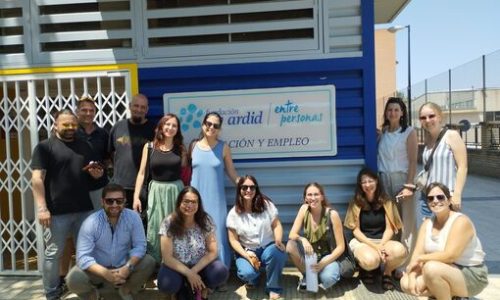
The main aim of the Erasmus+ funded project InDiCo is to increase the inclusion of people with learning difficulties into the digital age.

Digital Skills for Inclusive Employment: Lessons Learned from the European INDICO Project

Contact
Linkedin

Speakers

Eva Lumbreras

Training and Employment Department.
Fundación Rey Ardid
.

Noemí López

European Projects Department.
Fundación Ramón Rey Ardid.

Clara Besser

Policy Officer..
European Platform for Rehabilitation (EPR)

Digital transformation now plays a central role in our society: it influences how we communicate, access information and, above all, how we enter the labour market. Beyond its technological dimension, digital skills have become a key tool for social inclusion, autonomy and active participation in the community. However, for many people in vulnerable situations, this reality is still marked by barriers that hinder their full integration into employment.

This webinar explores digital skills as an essential element within pathways to inclusion and employment. Through the European INDICO project, we will examine how developing digital competencies can improve employment opportunities, reduce inequalities and create new forms of intervention better suited to people’s real needs.

Drawing on practical experience with service users as well as the analysis of results at the European level, we will reflect on current challenges, success factors and the key elements needed to transfer these initiatives to other contexts. Ultimately, our aim is to advance towards a more inclusive, innovative and connected intervention model, where digitalisation is not a barrier but a genuine opportunity for everyone.

Background

The European Commission’s goal is for 80% of 16- to 74-year-old EU citizens to have at least basic digital skills by 2030. The reference framework for digital competences (DigComp), which enables the categorisation and comparability of digital skills on eight levels, plays a key role in this strategy.

Even though this reference framework also includes basic digital skills at levels 1 and 2 and the aim of the digital strategy is “digital skills for all”, people with learning difficulties are at risk of exclusion. Often, appropriate training programmes are not accessible to them, or the people who support and accompany people with learning difficulties have low digital skills themselves.

Objectives

Expected Outcomes

Partners

Funds

Others from
Our Projects

Project DELYRAMUS

Project DELYRAMUS

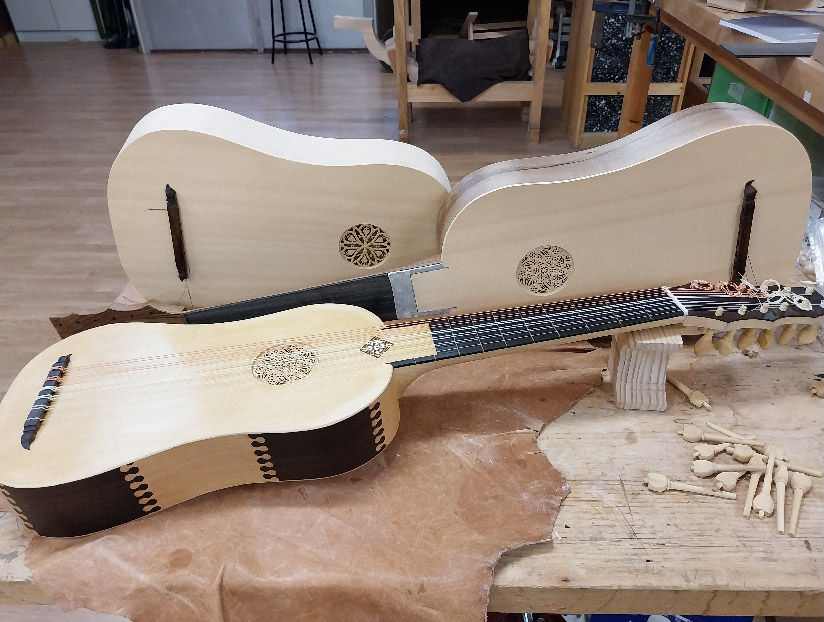
Delyramus Dissemination of early music through the recovery of heritage and traditional fiddling techniques, with the active participation of people with disabilities associated with mental illness. Delyramus website See text in Spanish Background Fundación Rey Ardid has been collaborating for years with...
Project InDiCo

Project InDiCo

InDiCo The main aim of the Erasmus+ funded project InDiCo is to increase the inclusion of people with learning difficulties into the digital age. Digital Skills for Inclusive Employment: Lessons Learned from the European INDICO Project In-person and Online ...
Project Micelio

Project Micelio

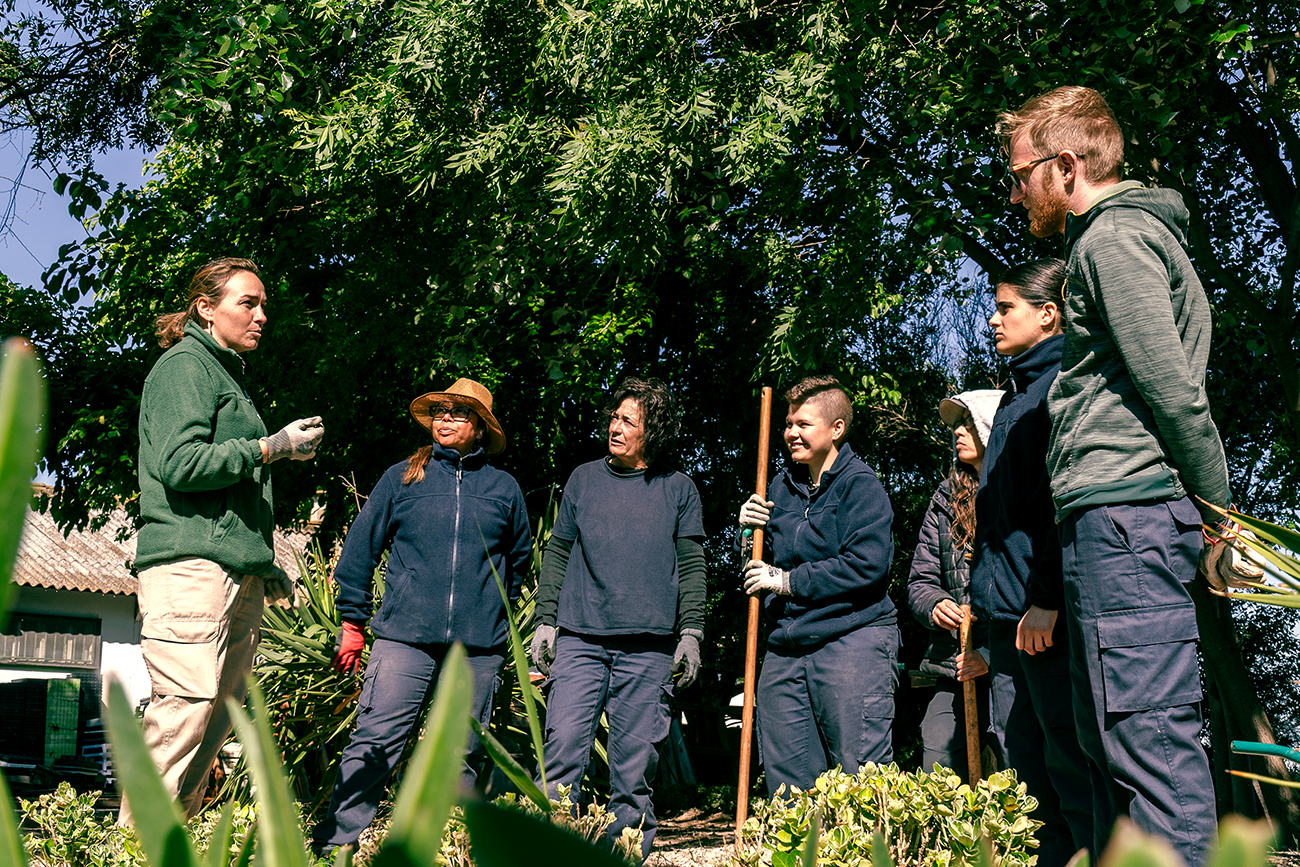
Proyecto MICELIO Training, inclusion and food transition in the cross-border areaThe MICELIO Project is a European initiative that promotes training, social innovation and visibility of trades linked to the food transition in the cross-border territories of Catalonia, Aragon and Occitania. Contact See text in Spanis...
Project Tiaki

Project Tiaki

Tiaki TIAKI is a cross-border cooperation project between Spain and France aimed at improving the quality of life of family caregivers, people with disabilities, and professionals in the health and social care sectors.The project develops an advanced digital application that brings together care tutorials (physiotherapy, optometry and nutriti...